Fractal Glass Gradients Textures

What's inside
- Applications Photoshop
- File Types Images
- License Free (see author's terms)
- Author Pixelbuddha
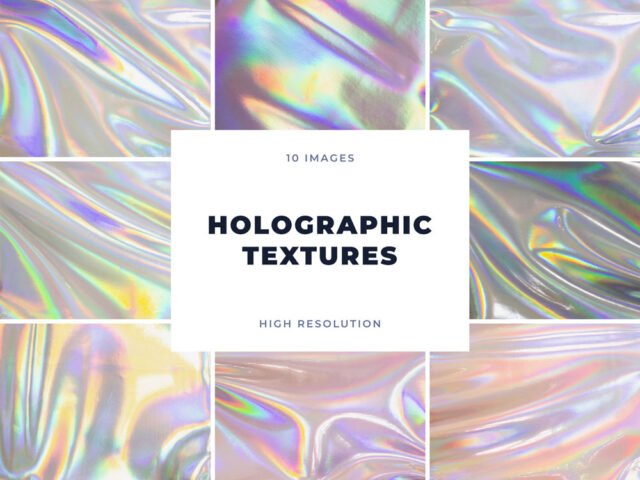
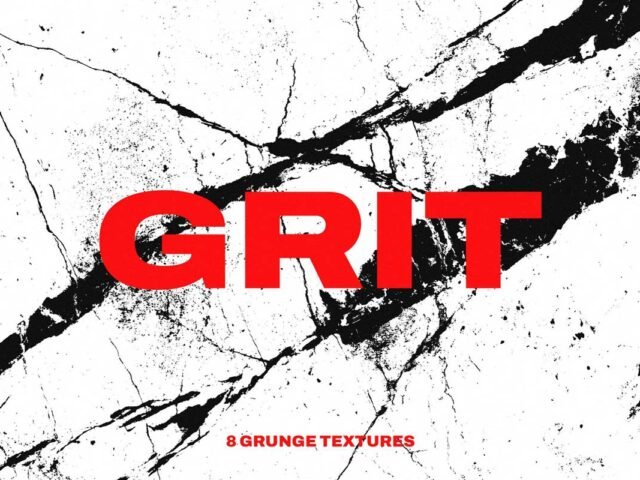
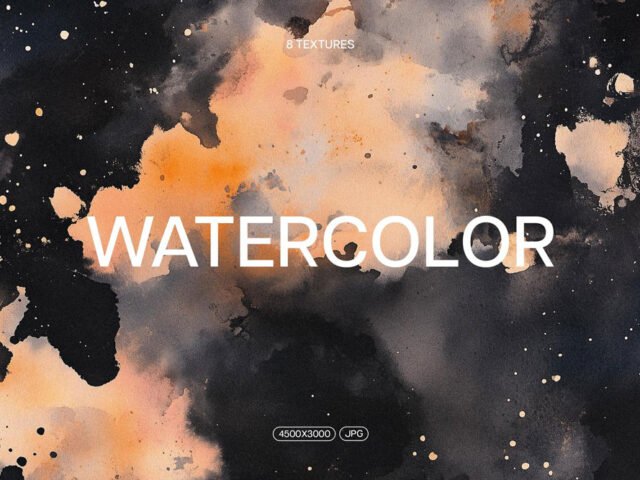
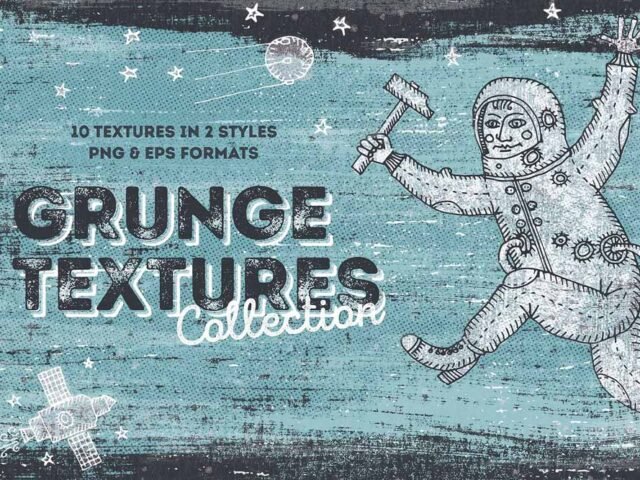
Fractal Glass Gradients Textures is a texture pack that suits poster grain, backgrounds and overlays for photos.
Good pick for poster designers, photographers or anyone putting together a portfolio. One thing worth knowing: set textures to Multiply or Overlay blend modes and lower the opacity; full strength rarely looks right.
It’s worth keeping a few good textures in your library for quick jobs where you don’t have time to make one from scratch.
Works well for
- Poster grain
- Backgrounds
- Overlays for photos
This is a free file from Pixelbuddha. When you click download you’ll land on their page to grab it.
Getting started with the Fractal Glass Gradients Textures
- Unzip the pack after downloading it from the author’s page.
- Place a texture over your design in Photoshop as a new layer.
- Set the blend mode to Multiply, Overlay or Screen and lower the opacity.
- Mask out parts that should stay clean.
Try the pack on a real project before adding it to your library; it’s the quickest way to see if the style fits.
Good to know
- Made by Pixelbuddha. File size and format are listed on their page.
- The preview shows exactly what’s included.
- Some free packs ask for credit when used publicly.
Browse more free textures on Artistic Orbit, with new files added every day.
Questions about this mockup
Can I use this texture pack for client work?
It's free to download, but the licence belongs to Pixelbuddha. Check their page: it states whether commercial use is allowed and if attribution is needed.
How do I use a texture as an overlay?
Place the texture above your artwork, set the blend mode to Multiply, Screen or Overlay depending on light or dark texture, and adjust opacity.
Why does the download open another website?
We list free files from designers around the web and link to the original page, so Pixelbuddha gets the visit and you get the file exactly as they published it.