How to Present a Branding Project with Mockups (Portfolio and Client Guide)

Two designers can make equally good logos. The one who presents it better usually wins the client, the job or the Behance feature. Presentation isn’t decoration. It’s how people understand why your design is right.
Here’s a structure that works for client meetings and portfolios alike.
1. Start with the problem, not the logo
Open with two or three sentences about the brand and what it needed. For example: “A family bakery opening its second shop. They wanted to look more professional without losing the home-made feel.”
This one slide changes how people judge the rest. They stop asking “do I like it?” and start asking “does it solve this?”. That’s a much better question for you.
2. Show the idea
Show a few sketches, a mood board or the one idea that shaped the design. Maybe the logo shape comes from a rolling pin, or the colours from the old shop front. People love seeing where things come from, and it proves the design wasn’t random.
Keep it short. One or two slides.
3. Present the logo clean
Now the logo, on a plain background, big. Then the variations: the full version, a simpler version, the icon on its own, and the logo in one colour, reversed out of a dark background.
This is where clients check whether it works. Don’t rush past it to the pretty mockups.
4. The brand toolkit
One slide each for:
- Colours: swatches with the codes (HEX for screens, CMYK for print).
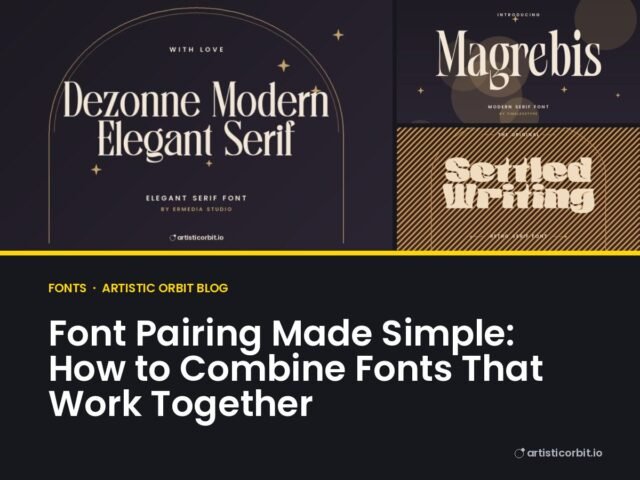
- Fonts: the headline and text fonts, shown in a real example, not just the alphabet. See our font pairing guide if you’re still choosing.
- Extras: patterns, icons, photo style, anything else that’s part of the system.
5. Now the mockups: the brand at work
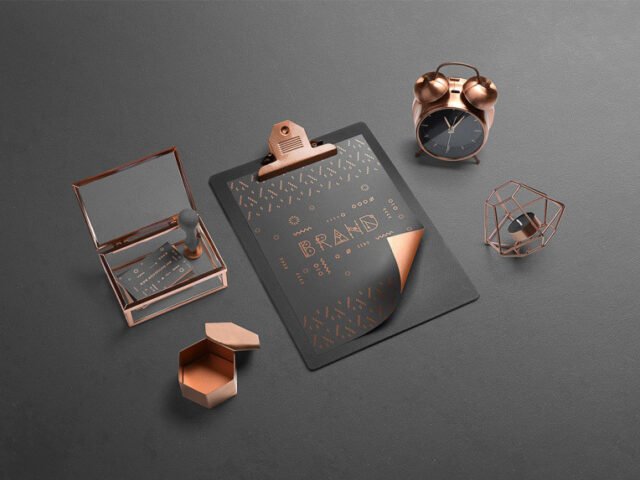
This is the part everyone remembers. Mockups show the brand living in the real world, and they help clients imagine it before a single thing is printed.
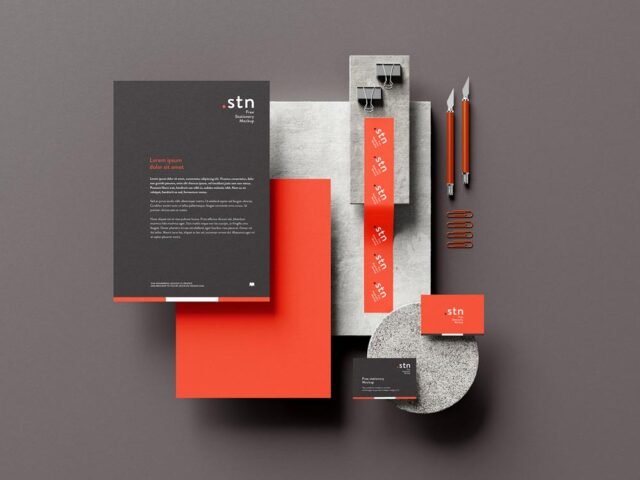
Choose mockups that match what the business actually needs. A bakery needs paper bags, boxes, a shop front and cups. A consultancy needs business cards, stationery and a laptop screen. Showing a luxury perfume box for a plumbing company looks like filler, and clients notice.
A good order
- The most important touchpoint first. For a shop, that’s often the sign or the packaging.
- Everyday items next: cards, stationery, social media.
- Fun extras last: merch, a van, a flag, a tote.
Keep the scenes consistent
Try to use mockups with similar lighting and colour temperature. Mixing a bright white studio scene with a dark, moody one makes the brand feel inconsistent, even when your design is the same. Using several mockups from one designer or one set is the easiest way to get this right.
Less is more
Eight to twelve strong mockups beat thirty average ones. If two images show the same thing, cut one.
6. End with the summary
Finish with one slide that shows the whole system together, logo, colours, fonts and a few key items in a grid. For clients, add the next steps: what files they’ll receive and when.
Tips for Behance and portfolios
- Make the cover image count. It’s the only thing people see in the feed. Use your strongest mockup, not the logo on white.
- Write short captions. One line under key images explaining a choice helps viewers (and future clients) understand your thinking.
- Keep the width consistent. Export everything at the same width, around 1400 to 2000 px, so the page scrolls smoothly.
- Credit your mockups. Many free mockup licences ask for credit when you publish. It’s good practice anyway, and designers appreciate it.
- Show real projects when you can. If the brand launched, add a photo of the real sign or packaging next to the mockup. Nothing builds trust faster.
For client meetings
Present it live if you can, even on a video call. Walk through the story in order and don’t jump straight to the mockups. Show one direction you believe in, or two at most. Offering five options usually leads to a mix of the worst parts of each.
And send a PDF afterwards so they can share it with whoever makes the final decision. That person wasn’t in the meeting, so the story slides at the start matter even more.
Stationery mockups for brand presentations


Quick answers
How many mockups should a branding presentation have?
Around eight to twelve strong ones is plenty. Choose items the business will actually use.
What should a branding case study include?
The brief, the idea behind the design, the logo and its variations, colours and fonts, the brand in use (mockups or real photos) and a short summary.
Can I use free mockups in my portfolio?
Yes, most free mockups allow portfolio use. Many ask for a credit, so check the licence on the designer’s page.